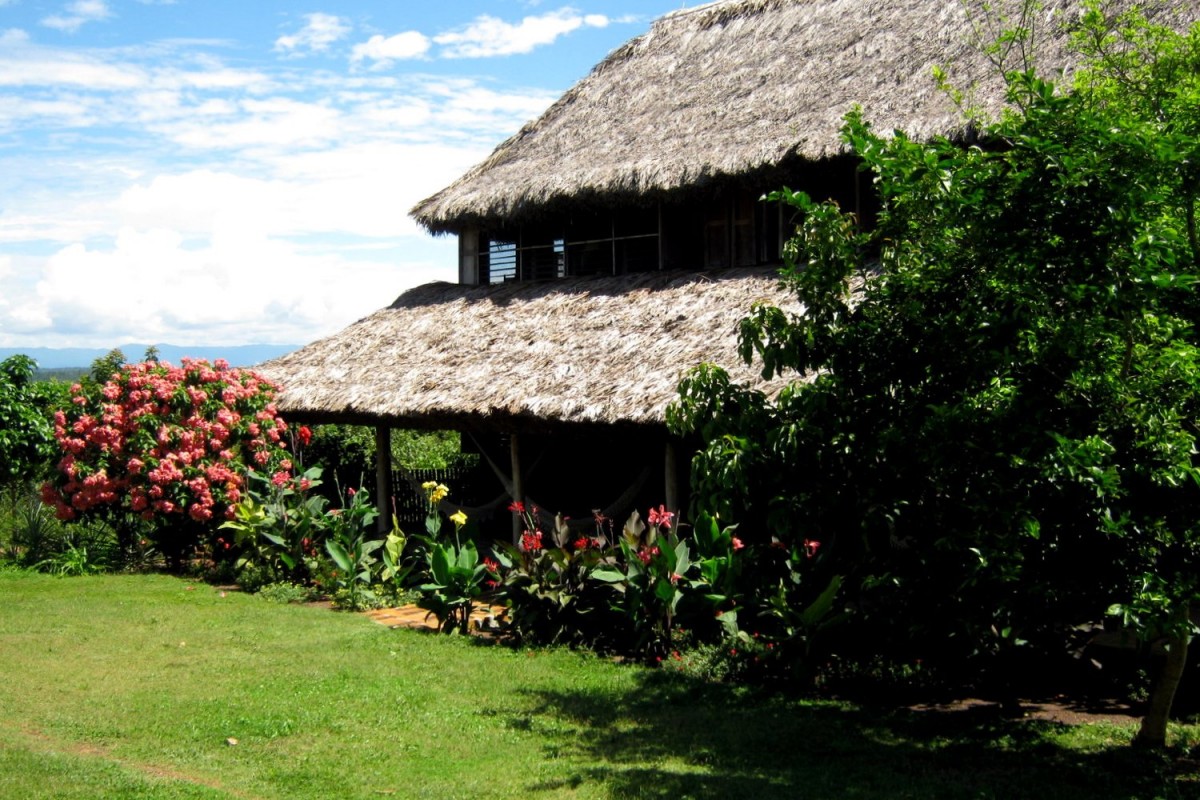
Region: South America
Location: Yupukari Village, Central Rupununi, Guyana (on the Rupununi River, 20 km from Karanambu airstrip)
Type: Research Station
Established: 2005 (black caiman research); lodge operations in partnership with the village
Accommodation inventory: 7 rooms total (4 in the main guest house with en-suite bathrooms and a guest-only living room; 3 additional rooms with bathrooms). All solar powered.
Connectivity: Wireless internet available (described as slow by past guests)
Access: Road or Air. From Georgetown, a 1 hour 45 minute flight in a 12-seater to Lethem airstrip, then overland transfer across the savannahs to Yupukari. Alternatively, overland via the Linden-Lethem road.
Best season: Dry season (October–March) for easier travel, best fishing, and mangoes. Rainy season (April–September) brings a waterfall-fed swimming hole and dugout excursions over flooded savannas.
Languages: English (Guyana’s official language; Macushi guides speak English)
Dining: Meals included. Guyanese specialties prepared by Macushi cooks — fresh “bakes” at breakfast, “pepper pot,” and local fish from one of the world’s most diverse fish habitats.
Chef: Not a private-chef venue. Village cooks.
Dietary: Not publicly stated
Conservation: A working research field station. Long-term black caiman study (since 2005), yellow-spotted Amazon river turtle conservation (since 2011), jaguar population surveys (2012–2016), and Macushi ethnobotany research. 100% of revenue surplus funds the village public library, caiman and turtle research, and Wabbani (the craft enterprise preserving traditional Macushi craftways).
Community: A social enterprise owned by the community of Yupukari, operated by a Guyanese non-profit corporation and supported by the Rupununi Learners Foundation (US 501(c)(3)). The lodge is the village’s largest employer. 100% of surplus goes to community projects.
Notable Experiences
- Wildlife & Biodiversity: Black caiman (up to 12 feet), spectacled caiman, giant anteater, giant river otter, jaguar, tapir, monkeys (red howler, white-faced saki, squirrel), 441+ bird species. “Land of Giants” — home to the largest anteater, eagle, and otter species.
- Avian & Special Interest: Premier birding destination. Harpy eagle nesting site at Mapari Wilderness Camp. Night spotting for potoos, nightjars, and boat-billed herons.
- Adventure & Waterways: Join the black caiman research crew (observe capture, assist with data collection — weigh, measure, sex, tag). Night river excursions (“Creatures of the Night”). Dugout canoe paddling for giant waterlilies at Awarikru Lake. Fishing local-style.
- Cultural & Immersion: Village tours — learn cassava bread making, cotton spinning and weaving, brick making from river clay, rope making from leaf fiber. Artisan studio visits. The main house is a hub of village activity.
- Wellness & Luxury: Simple, comfortable, non-profit accommodation. Solar power, en-suite bathrooms (cold water), screened windows. Sunset platform with views. Hammocks available. Not a luxury lodge — comfortable, not fancy.
Important Visitor Notes
- Minimum stay is two nights. The savanna needs a dawn, the river needs a night, and the caiman research needs a second night.
- This is a working research station, not a standard lodge. Guests are invited to participate in or observe research activities. The atmosphere is communal and village-centred.
- Rooms vary. The main house has 4 spacious rooms with private bathrooms (cold water only). The separate guest cottages have shared bathrooms. Some past guests noted room assignment can affect the experience.
- Meals are included and prepared by local cooks.
- Internet is available but slow. This is a remote village location.
Contact
caimanhouse.com · Contact via website form
Coordinates: 3.6612523361928386, -59.3529143961329